Wine Tasting at Sea Pairing Drinks with Seafood
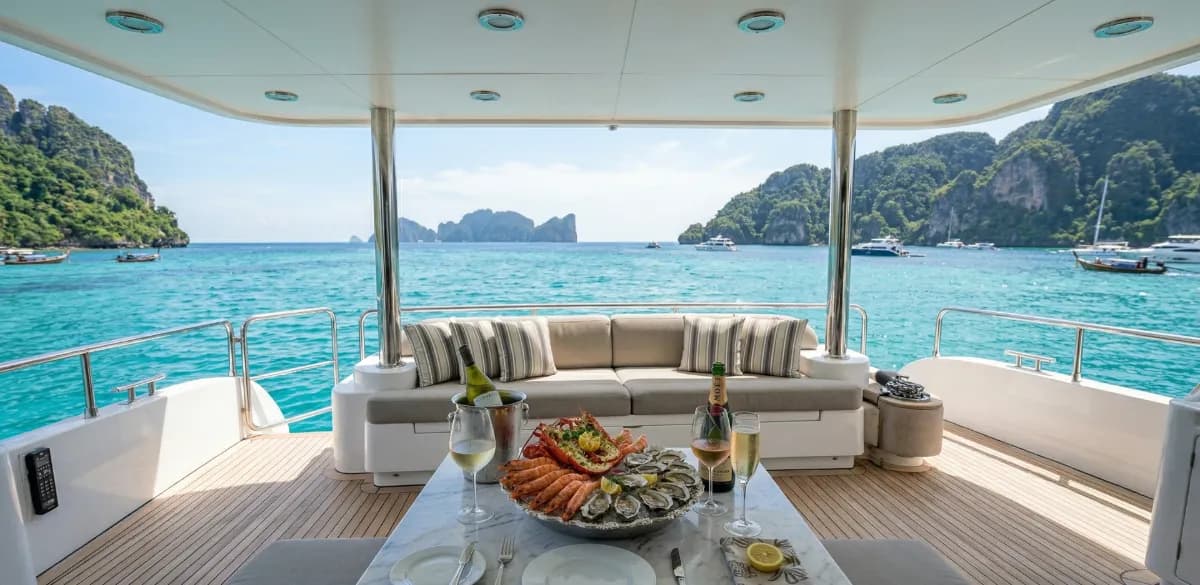
At sea, wine tasting requires special consideration. Environmental factors like salt air and hull movement affect flavor perception. Professional sommeliers pair high-acidity, mineral-driven wines with delicate seafood to enhance rather than overpower. Onboard cellars need vibration dampening and precise temperature control. Southeast Asian seafood pairs best with unoaked whites, mineral wines, or light reds depending on preparation style and spice...
The Maritime Sommelier's Strategy
A wine tasting at sea is a complex sensory event where the environmental variables-the saline air, the gentle oscillation of the hull, and the ambient temperature-directly influence the perception of flavor. In the luxury maritime sector, the objective of a seafood pairing is balance and contrast. Seafood possesses delicate proteins and often subtle, iodized flavors that can be easily overwhelmed by high-tannin reds or overly oaked whites. A professional sommelier at sea prioritizes high-acidity, mineral-driven wines that act as a "liquid garnish," cutting through the richness of shellfish and enhancing the sweetness of fresh-caught white fish.
As we move into a new era of maritime luxury, the focus has shifted toward transparency and sustainability. Guests are increasingly seeking wines that not only complement the meal but also share a "blue" narrative-organic and biodynamic labels from coastal regions that respect the marine ecosystem.
Technical Standards for Onboard Service
Managing a premium wine cellar on a yacht requires addressing three technical enemies: vibration, temperature fluctuation, and UV exposure.
The Vibration Variable: Constant movement from engines and generators can agitate sediment and accelerate chemical aging. Professional yachts utilize marine-spec wine fridges with specialized dampening systems to protect the structural integrity of vintage bottles.
Thermal Precision: In tropical climates, "room temperature" is often significantly higher than the European standard. White and Rosé wines should be served at 7–12°C, while sparkling wines require a deeper chill of 5–8°C to maintain their effervescence.
The "Slurry" Ritual: For immediate service, the most efficient cooling method is an ice-and-water slurry with a handful of salt. This reduces the temperature of a bottle significantly faster than dry ice alone, ensuring the wine is ready at the exact moment the first seafood course is served.
Strategic Pairings for Andaman Seafood
Pairing wine with Southeast Asian seafood requires a tactical understanding of preparation styles-specifically the presence of spice, coconut, and citrus.
1. The Shellfish Masterclass (Lobster & Tiger Prawns)
For rich, buttery preparations like Andaman Lobster Thermidor, a textured, full-bodied white is required. An unoaked Chardonnay or a Viognier provides the necessary weight to match the density of the meat. If the prawns are grilled with lime and chili, a zesty Sauvignon Blanc or an Albariño offers the high-acidity "zip" needed to balance the heat.
2. Delicate White Fish (Sea Bass & Snapper)
Lean white fish prepared with herbs or light citrus dressings demands a mineral-forward wine. Assyrtiko (originally from the volcanic soils of Santorini) or a Chablis provides a saline, flinty quality that mirrors the "oceanic" essence of the fish without masking its delicate texture.
3. Meaty Fish & Red Wine (Tuna & Swordfish)
The "White Wine Only" rule is a maritime myth. A seared Tuna Steak carries a "meaty" texture that pairs exceptionally well with a light-bodied, low-tannin red. A slightly chilled Pinot Noir or a Gamay (Beaujolais) provides a fruit-driven contrast that enhances the savory umami of the fish.
Contemporary Trends: Climate-Resilient & Coastal Grapes
Current luxury trends emphasize indigenous and climate-resilient varieties. Grapes like Vermentino and Fiano are thriving in 2026, prized for their ability to maintain precision and acidity in warm, coastal conditions. Furthermore, the rise of "Skin Contact" or Orange Wines has introduced a new dimension to seafood pairings, offering a unique tannic structure that bridges the gap between white and red, making them ideal for complex, spicy seafood curries.