Prioritizing Safety for the Smallest Passengers
Introducing an infant to the joys of the ocean is a rewarding experience, but it requires a strategic approach to safety and logistics. Unlike adult travelers, infants are highly susceptible to environmental changes, and their safety requirements are significantly more specialized. As a professional aggregator, we prioritize the vetting of vessels to ensure they are equipped with the necessary amenities to support families. The first rule of maritime travel with a baby is ensuring they are physically ready; many experts recommend waiting until an infant can hold their head up independently before bringing them on board. This strength is vital for managing the natural bobbing and vibration of the hull as it moves through the water.
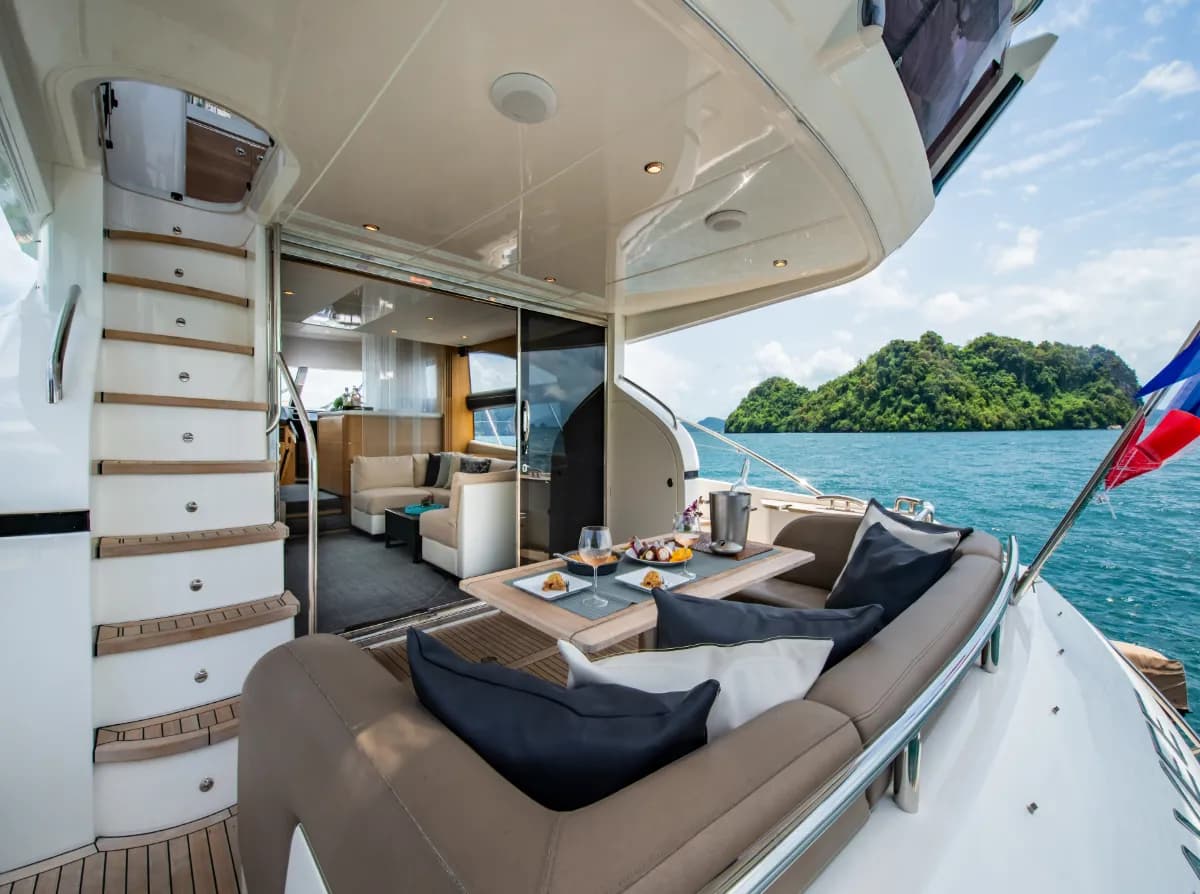
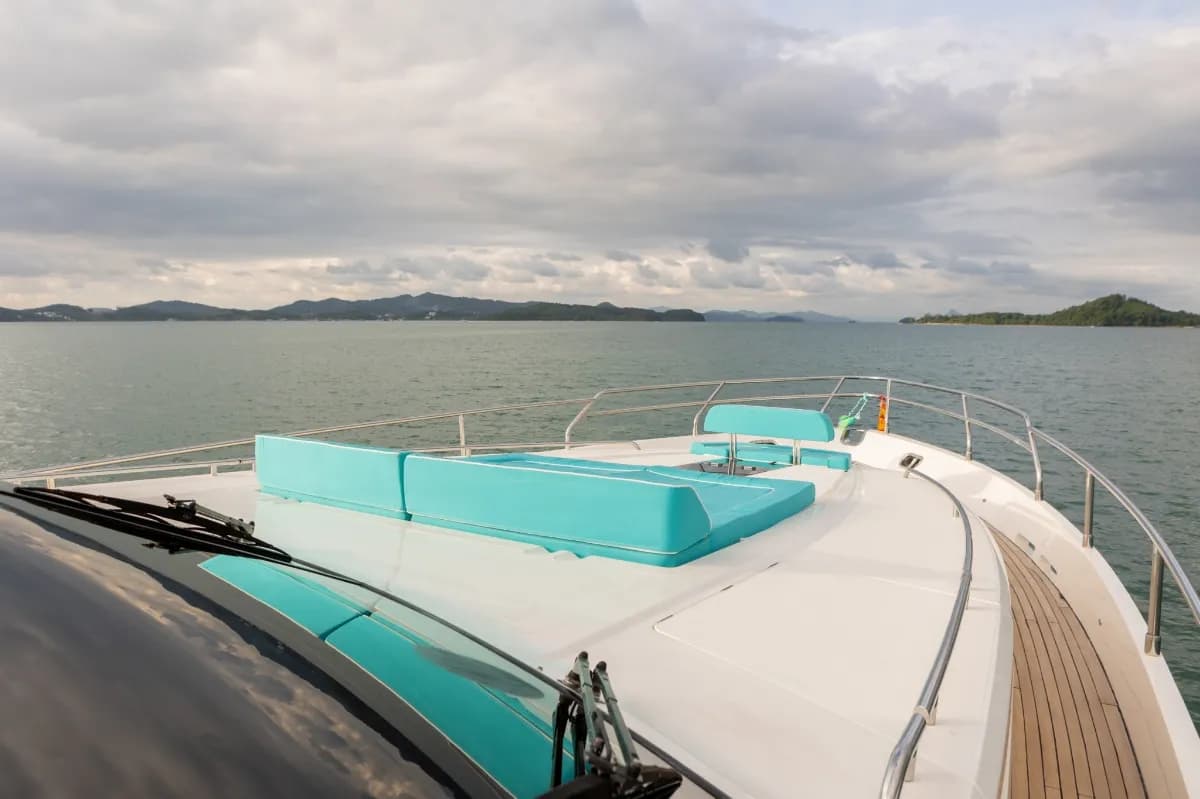
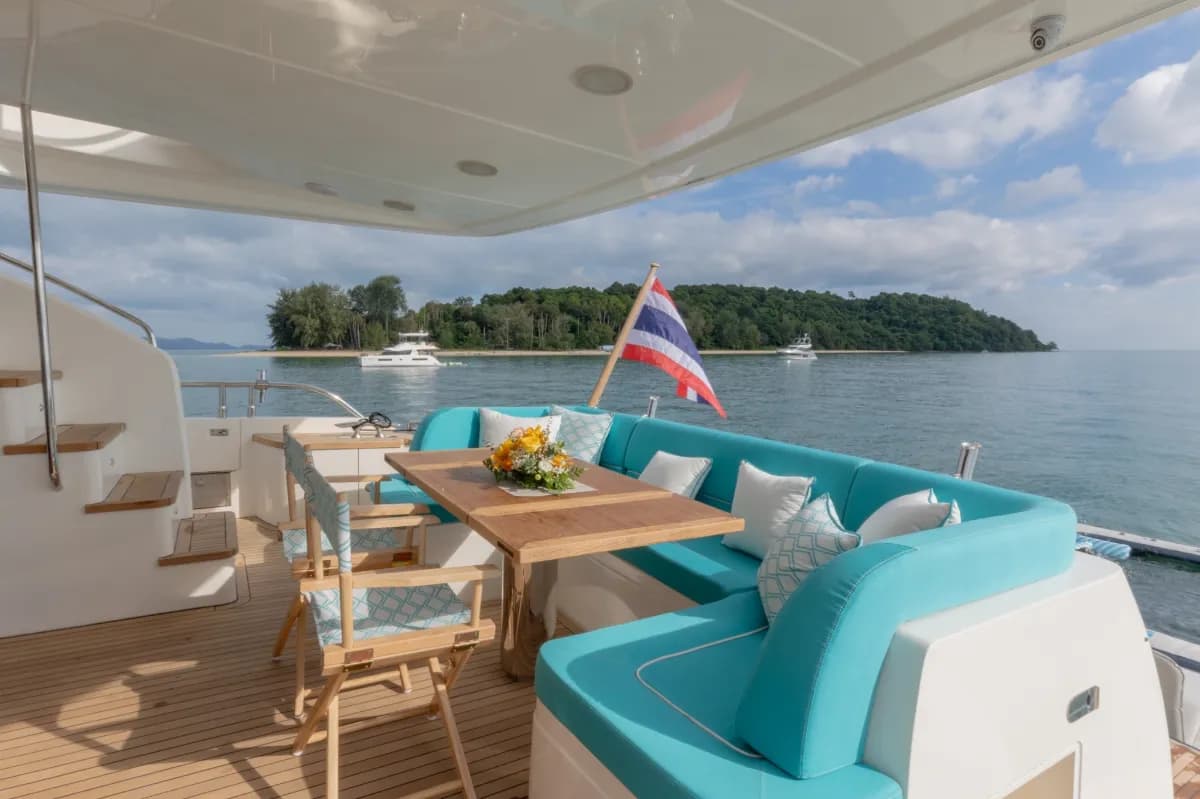
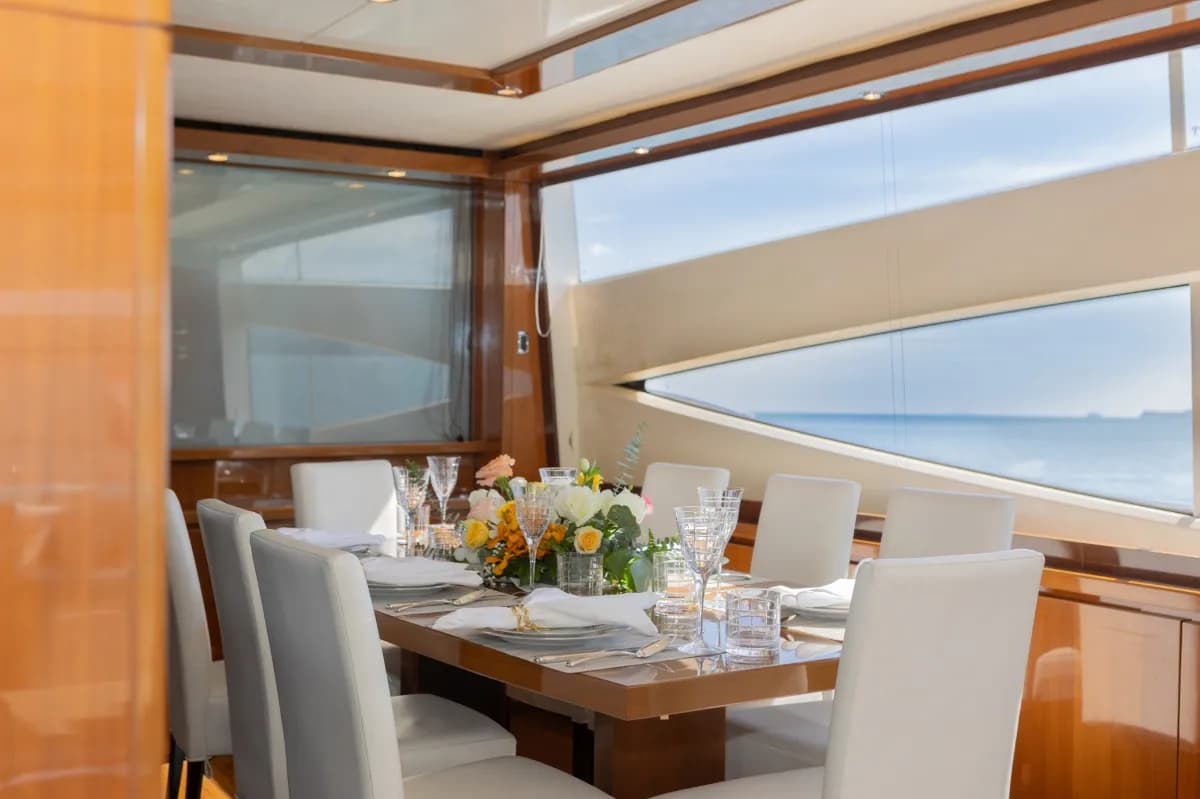
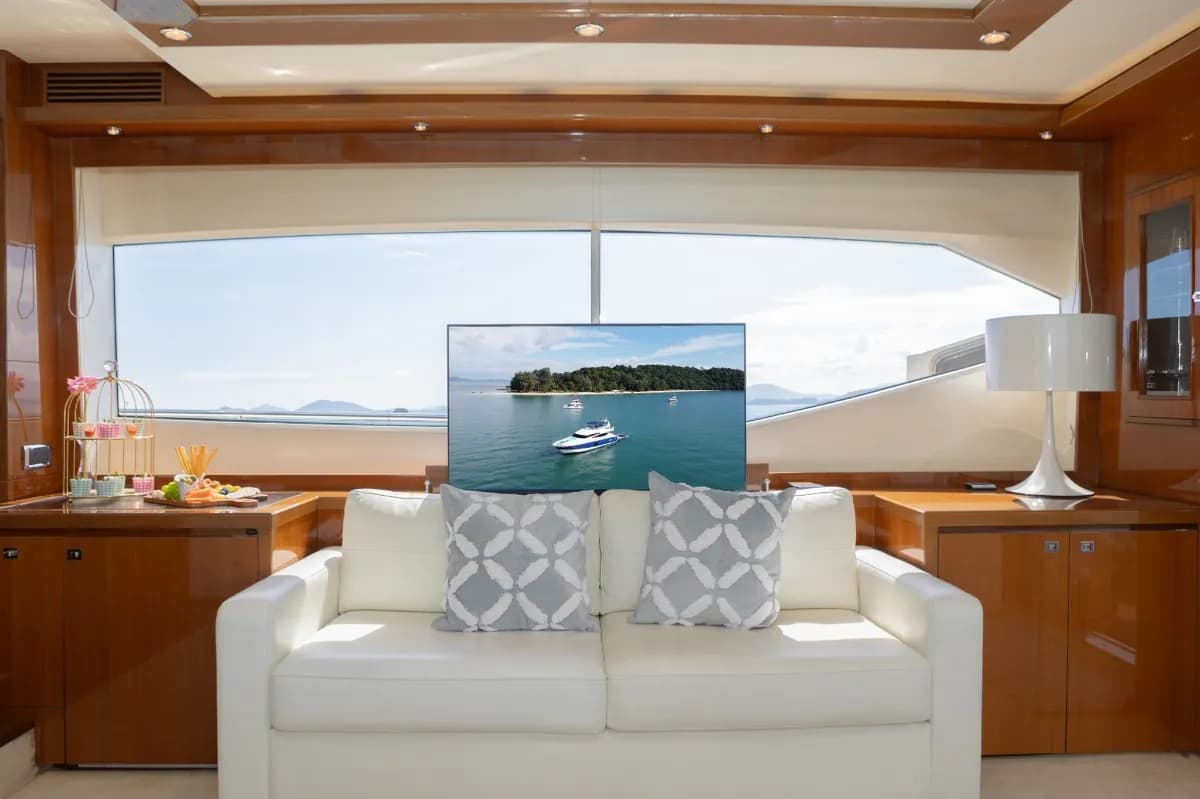
Managing an infant’s comfort on a boat is about proactive environmental control. Their inability to regulate body temperature as efficiently as adults makes heat stress a primary concern in tropical climates. A well-planned charter involves selecting a vessel with ample shaded areas and excellent ventilation. By choosing a boat through a centralized platform, you can verify the availability of cabins or indoor social areas where your child can rest away from the direct sun. This professional foresight turns a potentially stressful outing into a seamless family adventure where safety remains the foundation of the journey.
Essential Life Jacket Standards for Infants
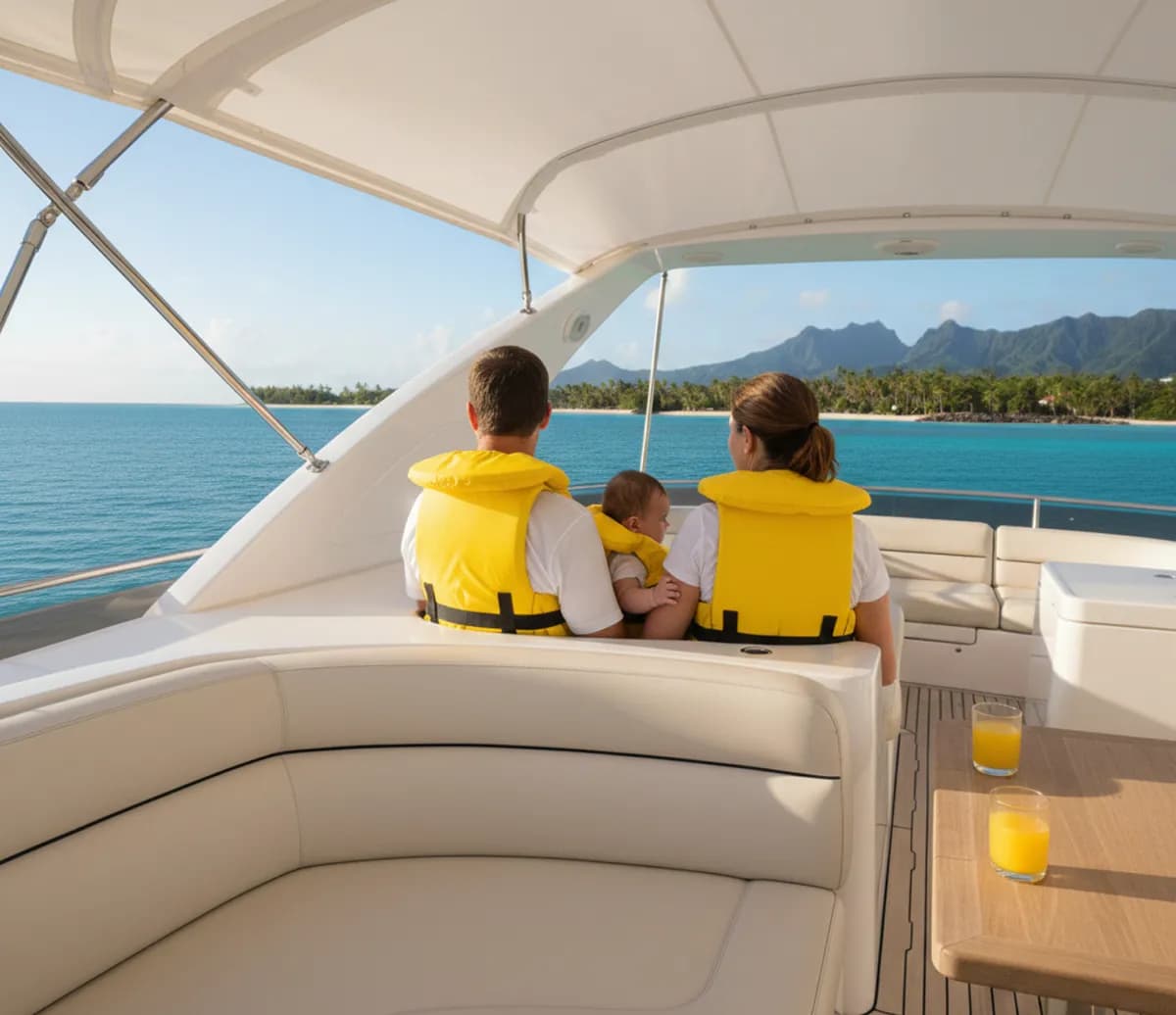
A life jacket is the most important piece of safety equipment on any vessel, but for infants, a standard vest is insufficient. A proper infant personal flotation device (PFD) is designed for those weighing between 18 and 30 pounds and must be U.S. Coast Guard approved. These specialized jackets are engineered to turn an unconscious infant face-up in the water, a feature that is critical for non-swimmers. When selecting a vest through our platform’s partner crews, ensure it includes a padded head collar, a sturdy crotch strap to prevent the jacket from sliding up, and a high-visibility grab handle for easy retrieval.
The fit of the life jacket must be tested before the boat leaves the marina. A professional tip is to lift the child by the shoulders of the PFD; the jacket should not slip above the chin or ears. While it may be tempting to use a car seat on a boat, this is a major safety violation. Car seats are not designed for maritime use and will sink if a vessel capsizes, potentially trapping the child. The safest place for a baby while the boat is in motion is in the arms of a seated adult who is also wearing a life jacket.
Feature | Requirement for Infants | Why It Matters |
Weight Range | 18 to 30 Pounds | Ensures the buoyancy matches the body mass |
Crotch Strap | Mandatory | Prevents the vest from sliding over the head |
Head Support | Padded Double Collar | Keeps the infant’s face above the water line |
Grab Handle | Strong Lifting Loop | Allows for immediate manual retrieval |
Environmental Management and Sun Protection
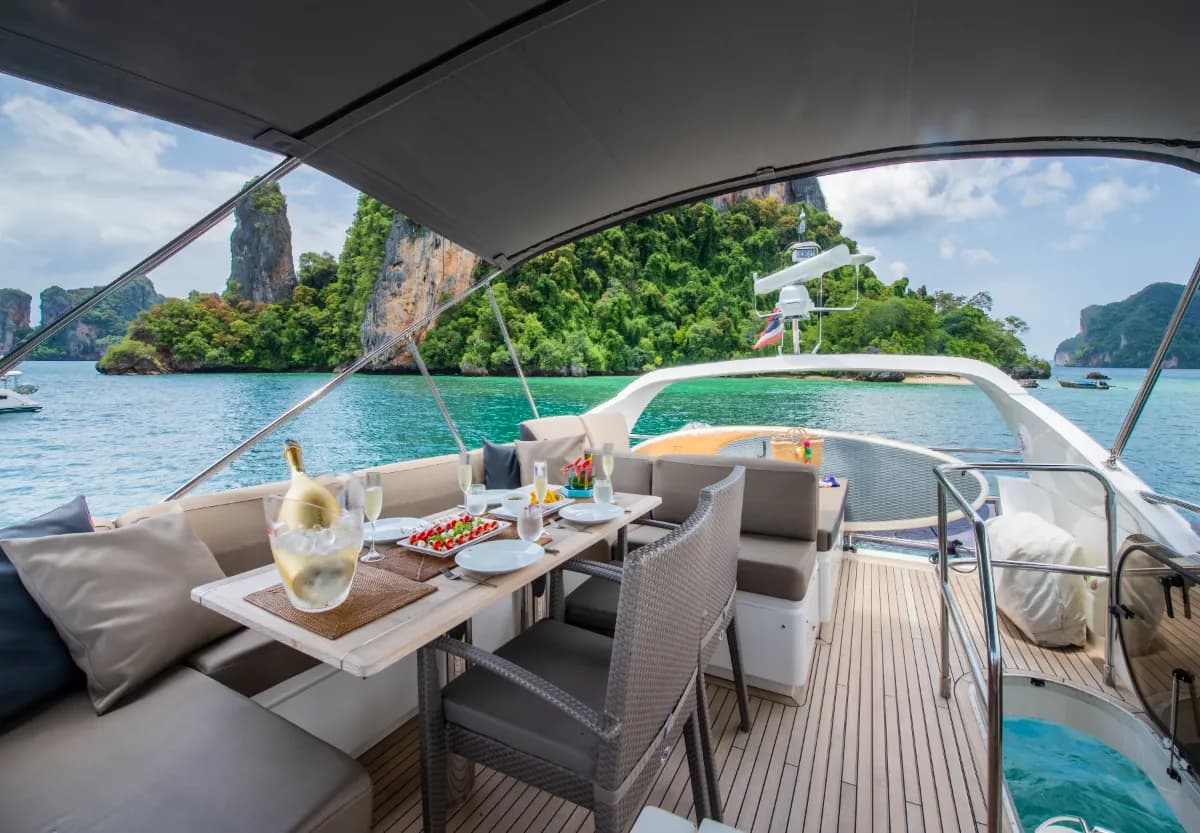
Protecting an infant’s delicate skin and eyes is a continuous task throughout the cruise. Reflection from the water and sand increases UV intensity by nearly 20 percent, making shade your best line of defense. A boat with a large bimini top or an extended sunshade is a strategic requirement for families. For babies over six months old, applying a minimal amount of mineral based sunscreen to exposed areas like the face and hands is recommended, while younger infants should rely entirely on physical barriers like wide-brimmed hats and UPF-rated clothing.
Hydration and nutrition are equally important for maintaining stability. Infants can dehydrate quickly in the salt air, so ensuring a constant supply of milk or formula is essential. We recommend bringing a soft-sided cooler dedicated specifically to the infant’s supplies to keep everything at a safe temperature. By managing these small details, you allow the entire family to enjoy the unique sensory experience of the sea, from the cooling breeze to the rhythmic sound of the waves, with total peace of mind.