شائع
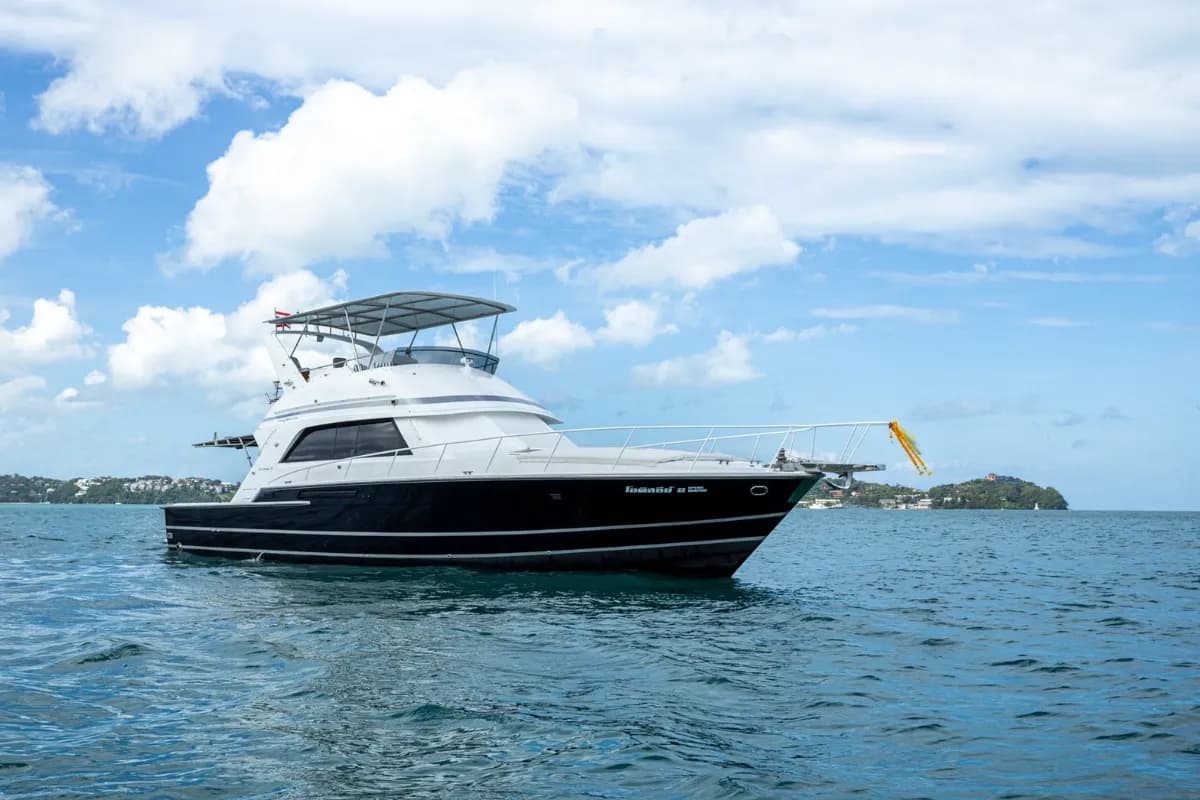
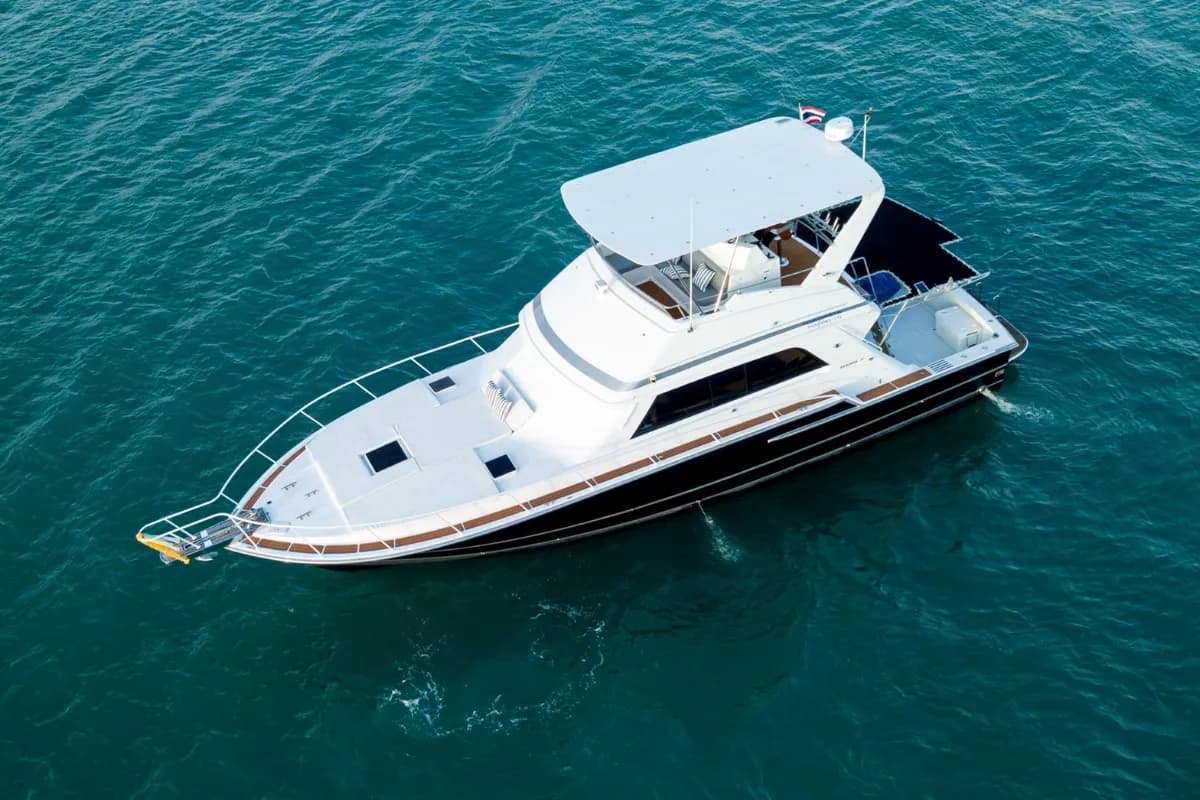
HYPE BOAT CLUB - جولة يوم فاخرة بالقارب في بوكيت وجزيرة فاي فاي
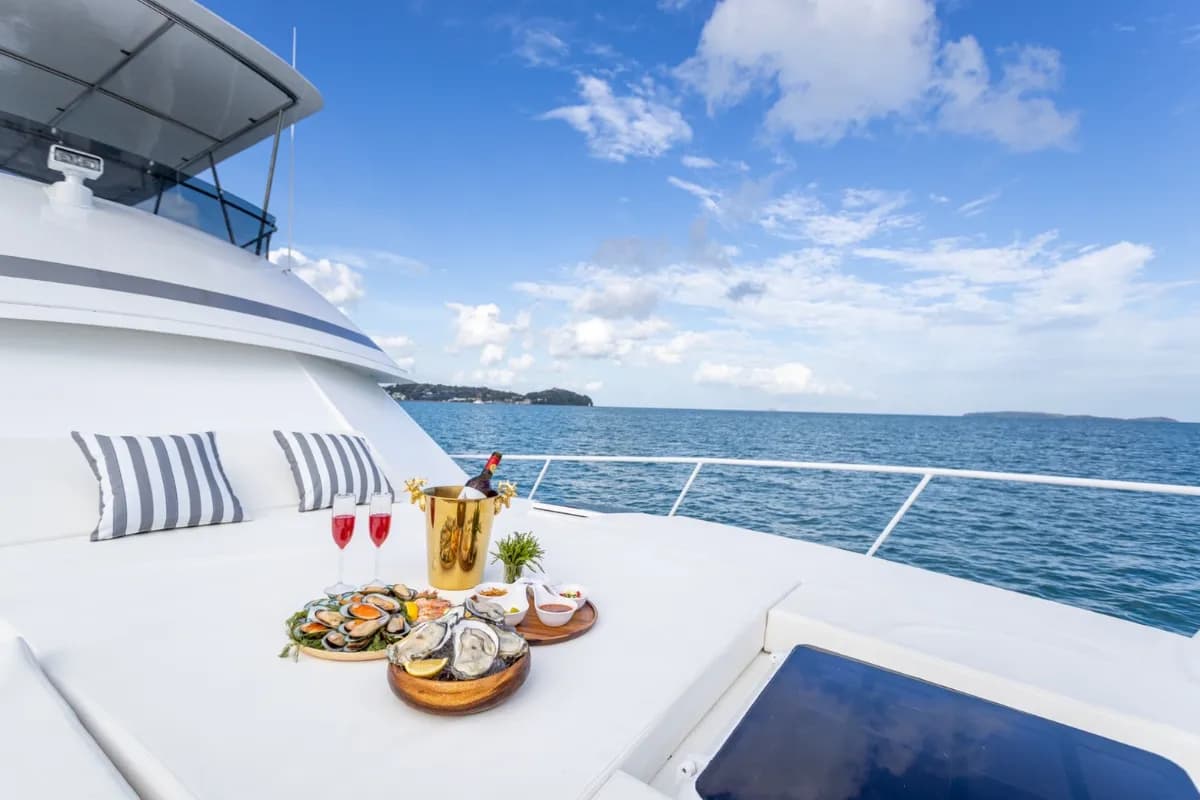
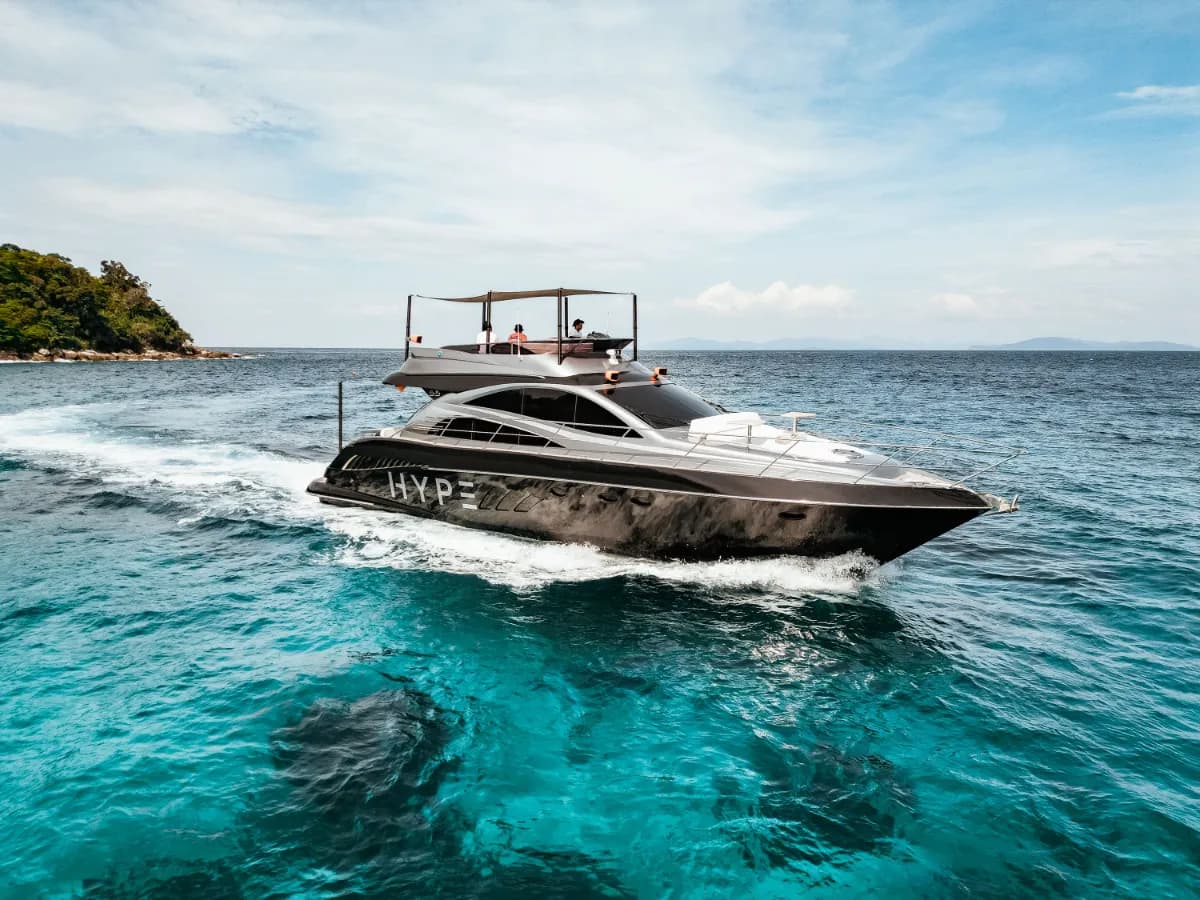
اصعد على متن يخت فاخر في بوكيت لزيارة جزيرة في في وخليج مايا في رحلة ليوم واحد. ابدأ بمشروب ترحيب مجاني، واسترخِ واستمع إلى الموسيقى، واستمتع بغداء فاخر والمزيد.
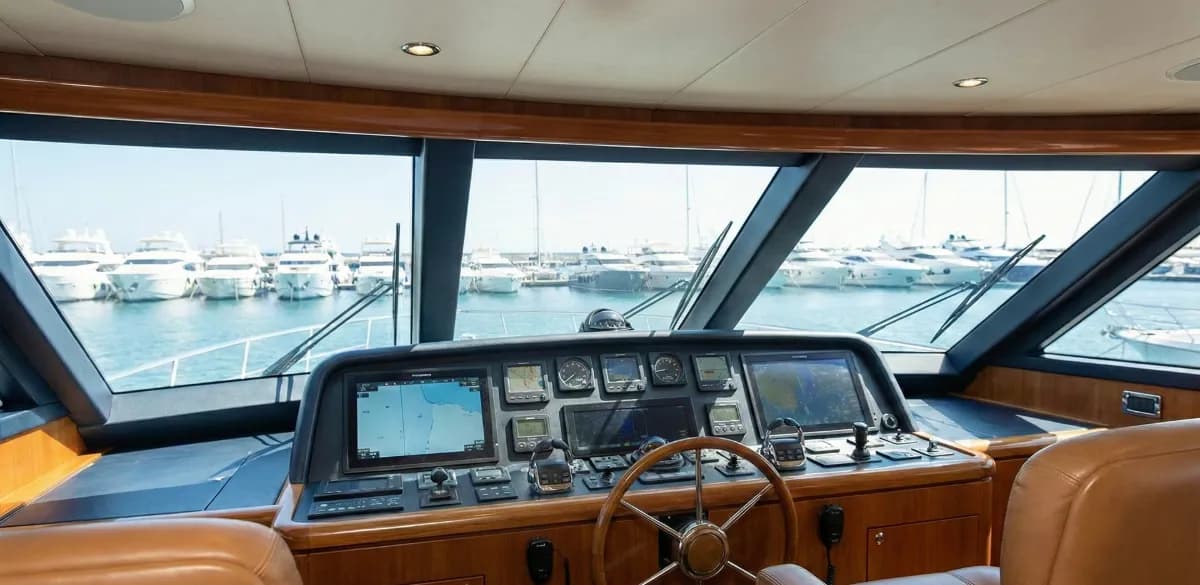
الأمان البحري في تايلاند يعتمد على إطار شامل من التأمين والحماية القانونية. السفن التجارية يجب أن تحمل تأمين حماية الركاب الإلزامي الذي يغطي الحوادث الطبية والإصابات. شركات الرحلات المتميزة تتجاوز المتطلبات الأساسية بتوفير تغطية إضافية. الصيانة الدورية والمعدات الحديثة تعكس التزام المالك بسلامة الضيوف والامتثال للمعايير الدولية.
When you embark on a private journey across the Andaman Sea or the Gulf of Thailand, the luxury of the vessel is often the first thing you notice. However, the most critical element of any professional charter is the invisible framework of insurance and protection that supports every guest on board. In the maritime industry, safety is not a passive state but a rigorous, active commitment to risk management. Understanding the layers of insurance that protect you and your companions is a strategic necessity for the modern traveler. A professional charter operator ensures that the joy of discovery is always backed by the security of comprehensive legal and financial coverage.
In Thailand, commercial boating laws are specific and strictly enforced to protect the welfare of international and local visitors. These regulations ensure that any vessel carrying passengers for hire must operate under a valid commercial license, which is only granted upon proof of adequate insurance. This mandatory coverage provides a baseline of protection, but high-end aggregators often go beyond the minimum requirements to provide an extra layer of security. By choosing a vetted vessel, you are not just booking a boat; you are securing a professional commitment to your physical and financial well-being throughout your nautical adventure.
The core of passenger protection lies in specialized marine liability insurance, often referred to in the industry as Protection and Indemnity coverage. This type of insurance is designed specifically for the unique risks of the maritime environment, covering everything from minor boarding incidents to more significant medical emergencies. For the guest, this means that medical expenses incurred due to an accident while on the vessel, or even during the process of boarding and disembarking, are professionally managed and compensated. This level of protection is a hallmark of a reputable charter service and is a non-negotiable standard for any vessel listed on a premium platform.
Beyond the legal requirements, professional insurance policies often include "medical payments" coverage, which functions regardless of who is at fault for an incident. This ensures that immediate care can be provided without the delay of legal determinations. Furthermore, comprehensive hull and machinery insurance protects the owner’s assets, which indirectly protects the guests by ensuring the vessel is maintained to the highest technical standards. When an owner invests in robust insurance, it is a clear signal that they also invest in the preventative maintenance and crew training necessary to avoid accidents altogether.
Medical Expense Indemnity: Comprehensive coverage for injuries or illness occurring during the voyage, including emergency evacuation costs from remote island locations.
Third Party Liability: Protection against accidental damage or injury involving other vessels or swimmers, ensuring the host is legally shielded in complex maritime scenarios.
Personal Effects Protection: Some high-end policies offer coverage for the loss or damage of high-value personal items, such as cameras and electronics, while on board.
The physical safety equipment on a yacht is the visible extension of its insurance policy. Modern maritime regulations have introduced enhanced standards for life-saving appliances, ensuring that equipment like life jackets is designed to perform optimally even in challenging conditions. A professional crew performs regular audits of this gear, verifying expiration dates on flares and the functionality of fire suppression systems. This operational discipline is what allows an insurance provider to offer coverage in the first place, creating a cycle of safety that benefits everyone on the water.